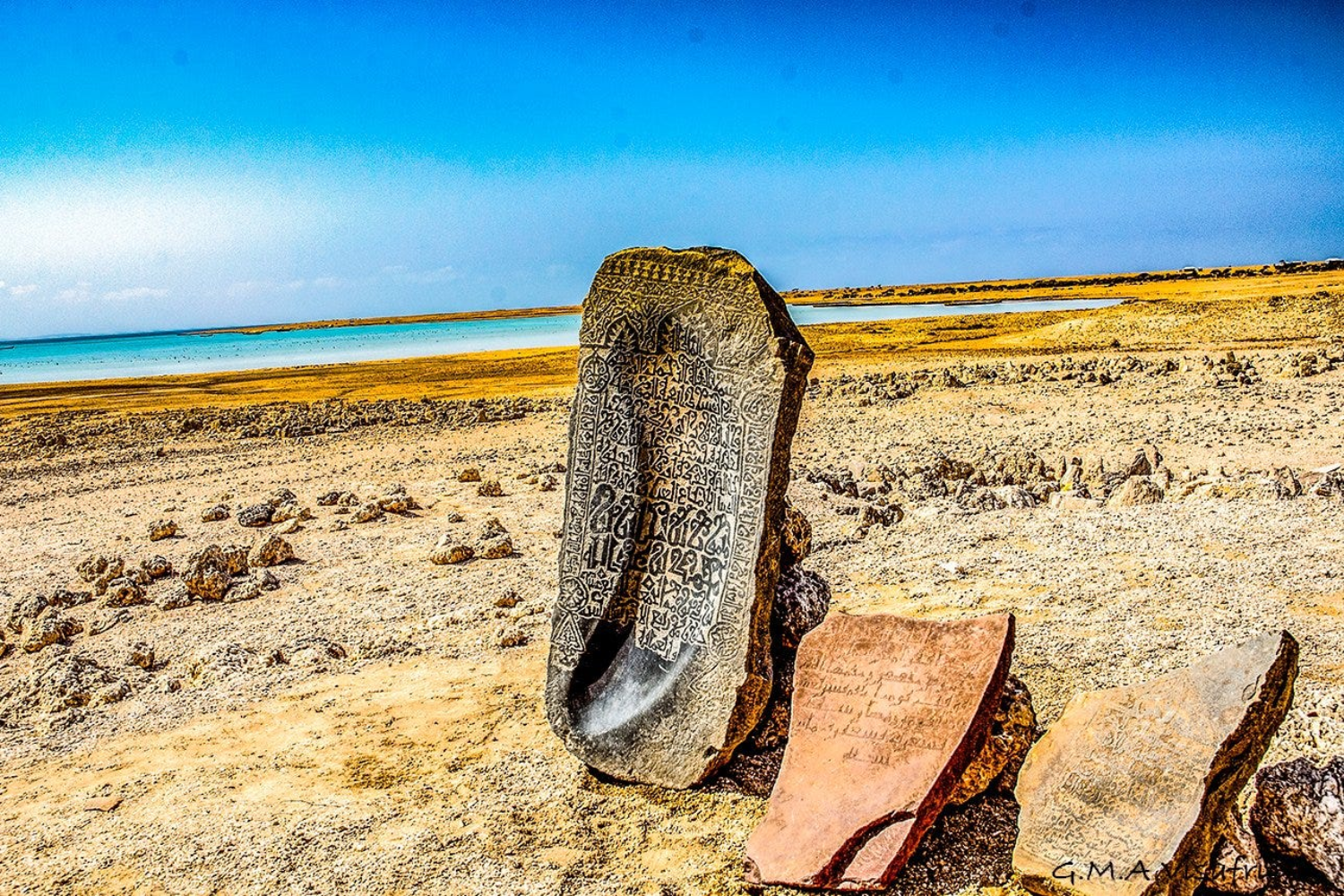
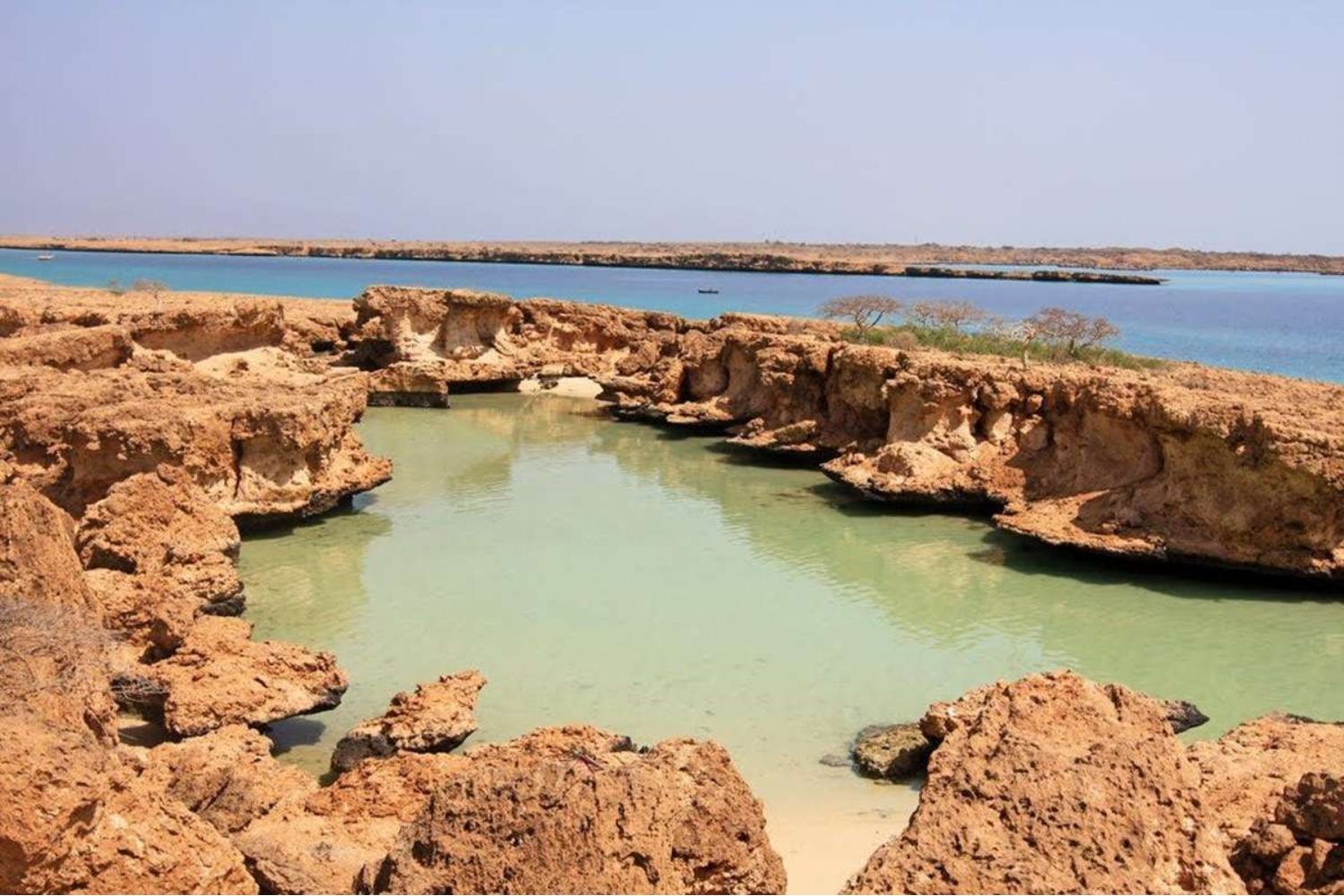
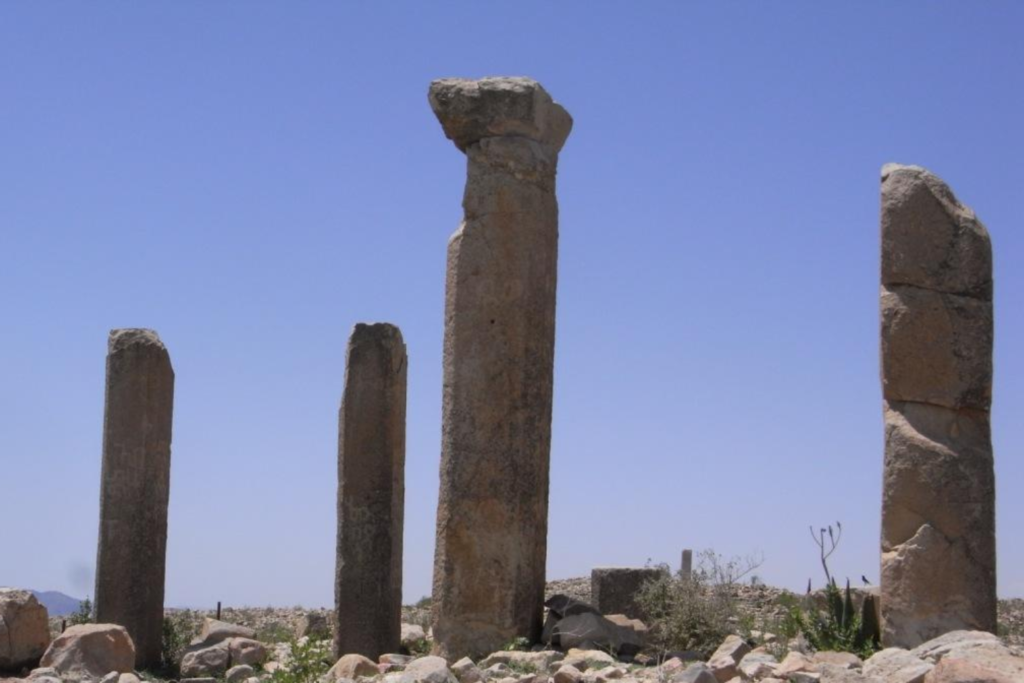
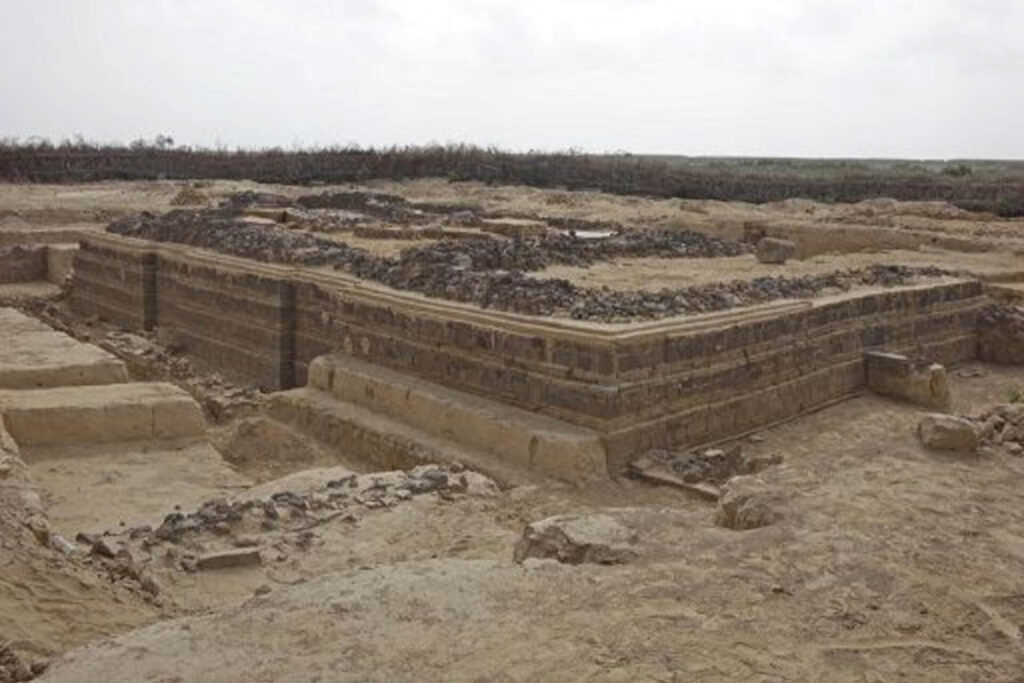
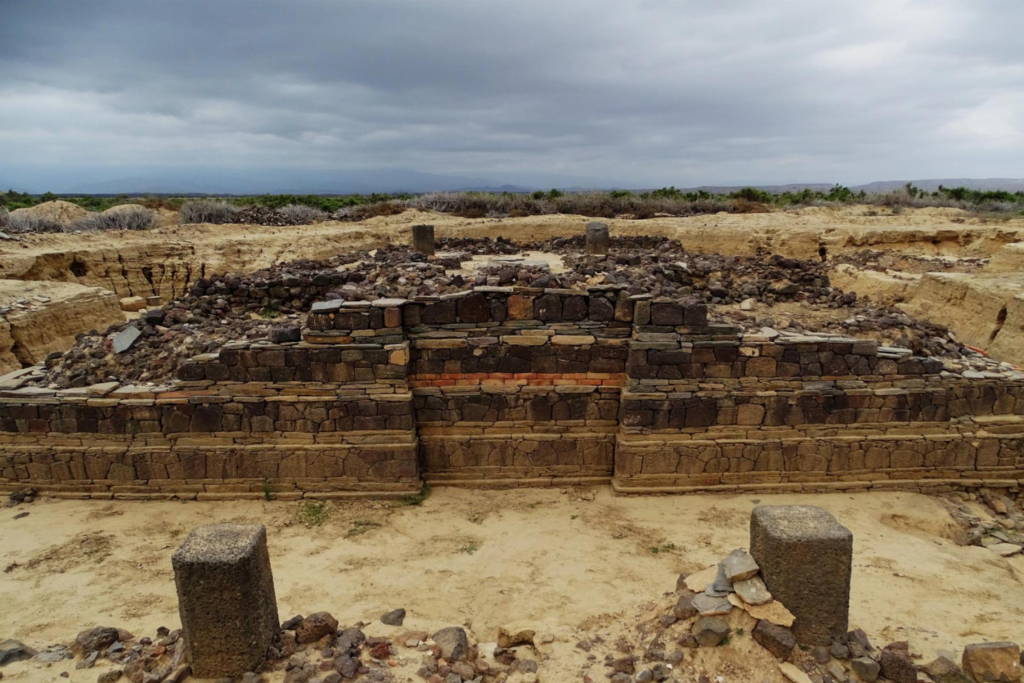
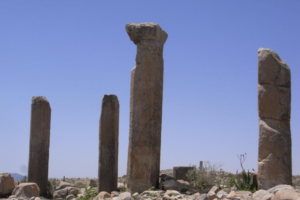
Adulis is Eritrea’s most significant archaeological site, serving as a vital ancient port city that linked the Red Sea to global powers. Recent excavations in March 2024 unearthed ceramics dating back to 1500–500 BC, suggesting the settlement began much earlier than previously documented. These findings are crucial for bridging the historical gap between early human activity and the later Aksumite and Byzantine eras.
Archaeological Findings in Egri-Mekel
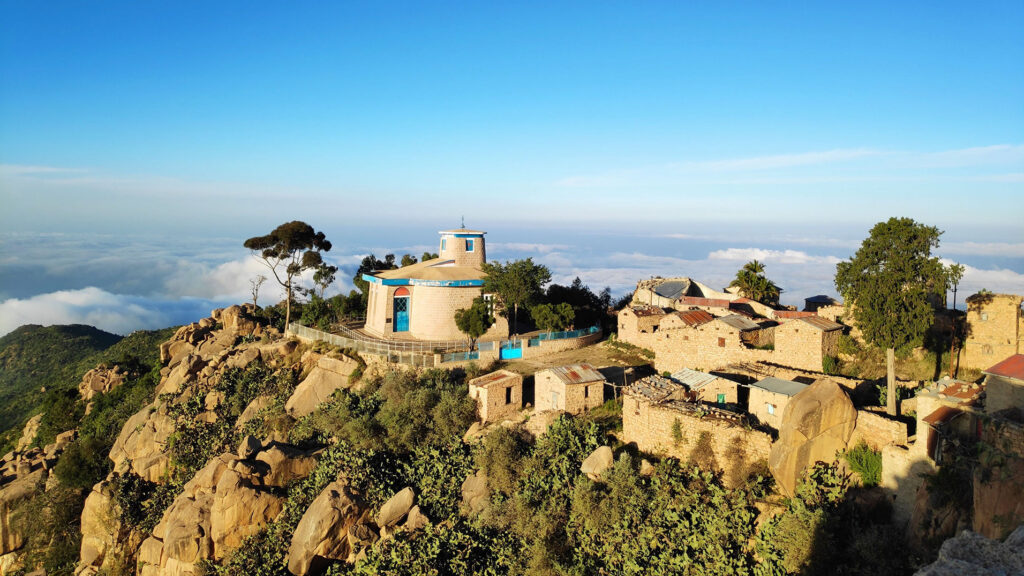
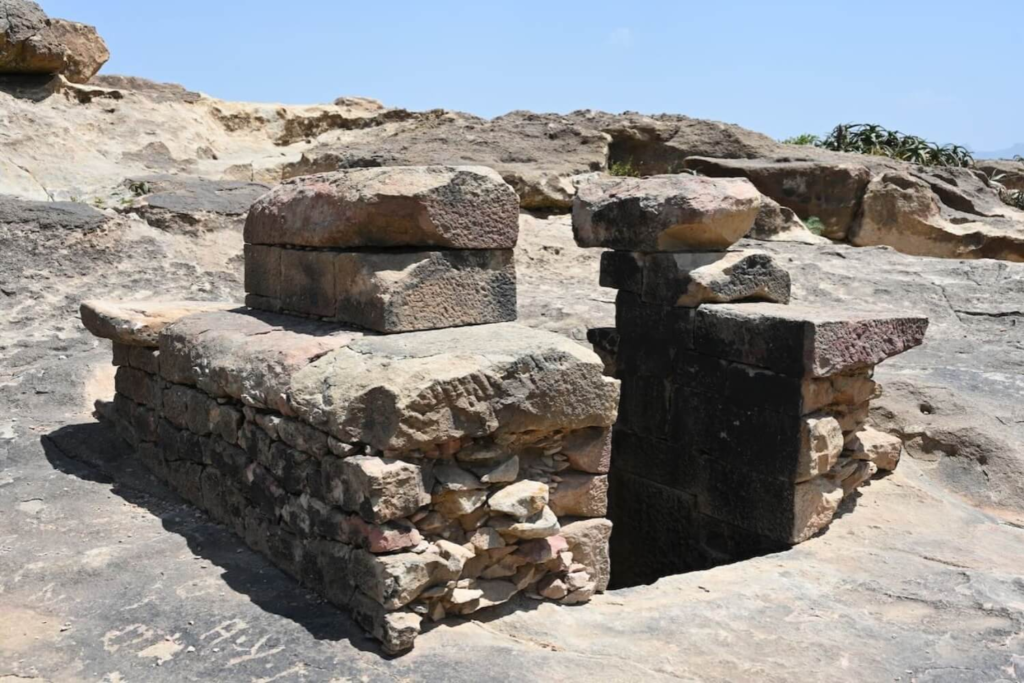
Exploration in Egri-Mekel, located near Mendefera, led to a major discovery in late 2024 involving two sets of human remains and various ornamental artifacts. The burial styles indicate that these remains predate the introduction of Christianity in Eritrea, offering a rare look at the traditions of the area’s earliest societies. These artifacts provide a glimpse into the daily lives and spiritual practices of the ancient highland inhabitants.
The success at Egri-Mekel was driven by the proactive involvement of the local community, who reported the initial findings to authorities. This cooperation reflects a growing public pride in preserving Eritrea’s unique cultural heritage for future generations. As local awareness increases, the potential for discovering additional historical sites and burial grounds continues to grow across the country.
Insights into Early Civilizations and Trade
The discoveries at Adulis and Egri-Mekel are pivotal for understanding the broader history of human settlement in the Horn of Africa. The ceramics found at Adulis offer invaluable insights into the trade networks of an ancient port that interacted with the Roman, Hellenistic, and Byzantine empires. These artifacts serve as tangible evidence of a sophisticated maritime economy that connected the African interior with the Mediterranean.
Similarly, the artifacts found at Egri-Mekel provide researchers with a deeper understanding of ancient social hierarchies and religious practices. By analyzing burial styles and ornaments, historians can reconstruct the cultural evolution of the people who lived in these highlands centuries ago. Together, these sites paint a comprehensive picture of a region that has been a center of human innovation for millennia.
Future Explorations and Research Potential
Despite these groundbreaking finds, current excavations have only scratched the surface of Eritrea’s vast archaeological potential. At Adulis alone, only a minimal portion of the 40-hectare site—including significant submerged heritage—has been explored. The government’s ongoing commitment suggests that many more revolutionary discoveries remain hidden, waiting to enrich our global knowledge of ancient history.
These endeavors position Eritrea as a premier center for archaeological research within sub-Saharan Africa. As future explorations reveal the complexities of these ancient civilizations, the country is likely to draw increased international attention from scholars and travelers. The dedication to uncovering this past ensures that Eritrea remains a vital contributor to the global understanding of human heritage.