Keren is widely regarded as one of Eritrea’s most attractive towns, serving as the bustling capital of the Anseba region. Located about three and a half hours from Asmara by bus, it offers a distinct Middle Eastern atmosphere that sets it apart from the more European-influenced capital. This city acts as a vital crossroads where diverse ethnic groups, languages, and religions converge, creating a rich cultural tapestry that visitors feel immediately upon arrival through the sight of residents in traditional turbans and the sound of various Afroasiatic languages.
Vibrant Markets and Traditional Life
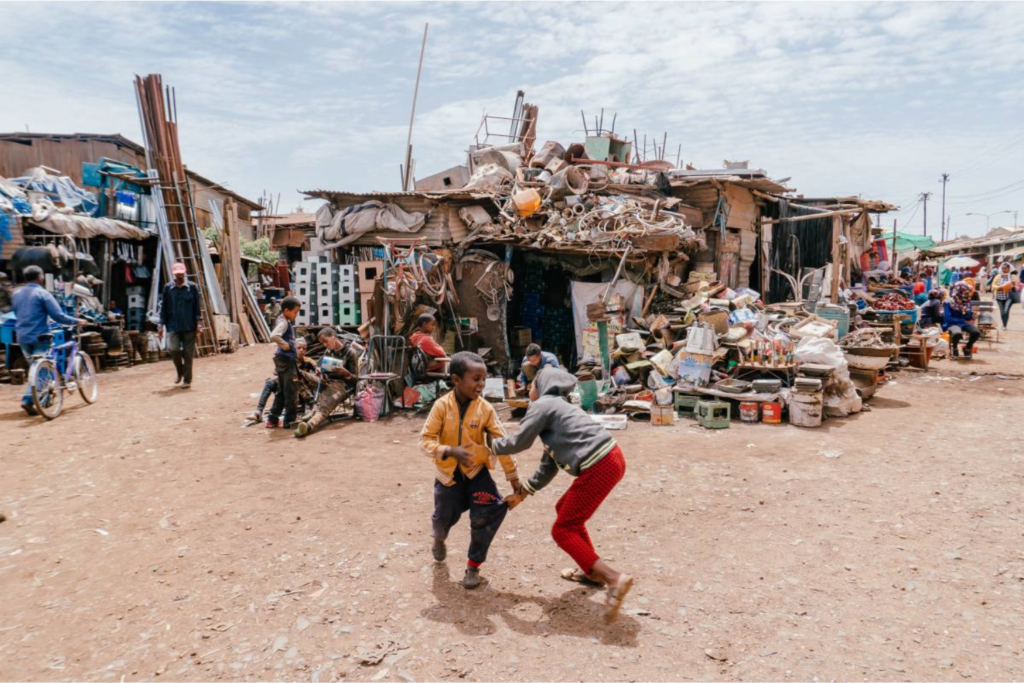
The Monday Keren market stands as the city’s most iconic experience, drawing crowds from across the region for a day of intense trade and social interaction. While visitors can find everything from local spices and clothing to household goods, the most striking feature is the historic camel market. Dating back to the late 1800s, this market remains a vital part of traditional life, where locals skillfully haggle over livestock in a scene that has changed little over the past century, providing an excellent opportunity for photography and cultural immersion.
This weekly event is more than just a place for commerce; it is a sensory journey that highlights the agricultural wealth of the Horn of Africa. Tourists are encouraged to find a spot to sit and observe the organized chaos, as the market serves as a primary gathering point for the surrounding rural communities. Whether you are looking for a unique local souvenir or simply want to witness the rhythmic flow of Eritrean trade, the market offers a window into the country’s enduring traditions and its potential as a future trade center.
Vibrant Markets and Traditional Life
The Monday Keren market stands as the city’s most iconic experience, drawing crowds from across the region for a day of intense trade and social interaction. While visitors can find everything from local spices and clothing to household goods, the most striking feature is the historic camel market. Dating back to the late 1800s, this market remains a vital part of traditional life, where locals skillfully haggle over livestock in a scene that has changed little over the past century, providing an excellent opportunity for photography and cultural immersion.
This weekly event is more than just a place for commerce; it is a sensory journey that highlights the agricultural wealth of the Horn of Africa. Tourists are encouraged to find a spot to sit and observe the organized chaos, as the market serves as a primary gathering point for the surrounding rural communities. Whether you are looking for a unique local souvenir or simply want to witness the rhythmic flow of Eritrean trade, the market offers a window into the country’s enduring traditions and its potential as a future trade center.
Sacred Shrines and Architectural Landmarks
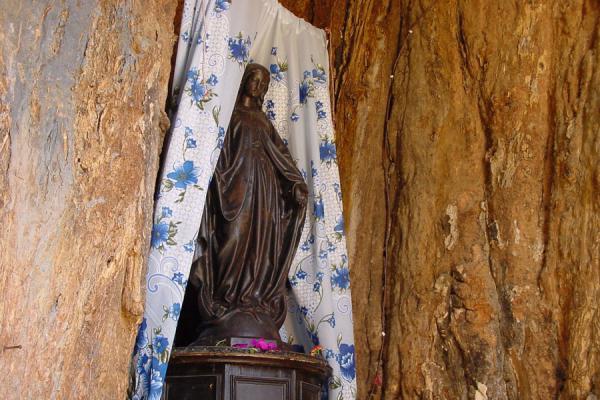
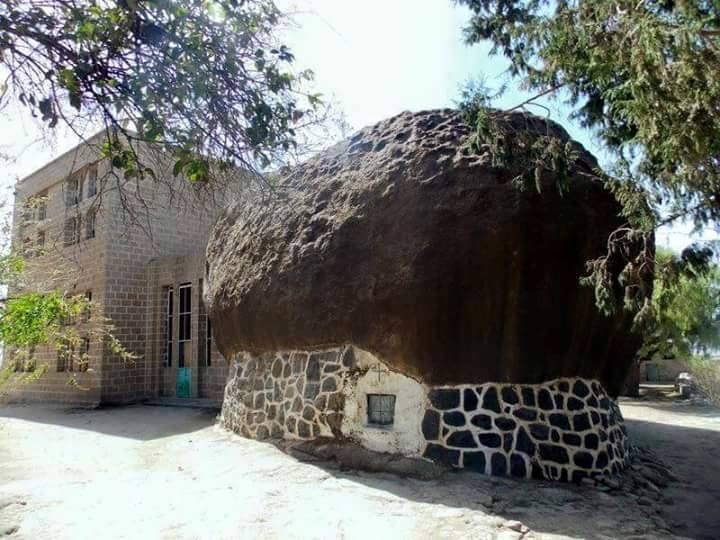
Religious life in Keren is perhaps best exemplified by the Shrine of Mariam Dearit, a site of immense spiritual significance located inside a massive, ancient baobab tree. Every year, thousands of pilgrims gather at this natural cathedral to pray and dance, honoring a tradition that blends faith with the region’s natural wonders. This shrine is one of the most important religious sites in the country, attracting people from various backgrounds who come to seek blessings and witness the unique spectacle of a church housed within living wood.
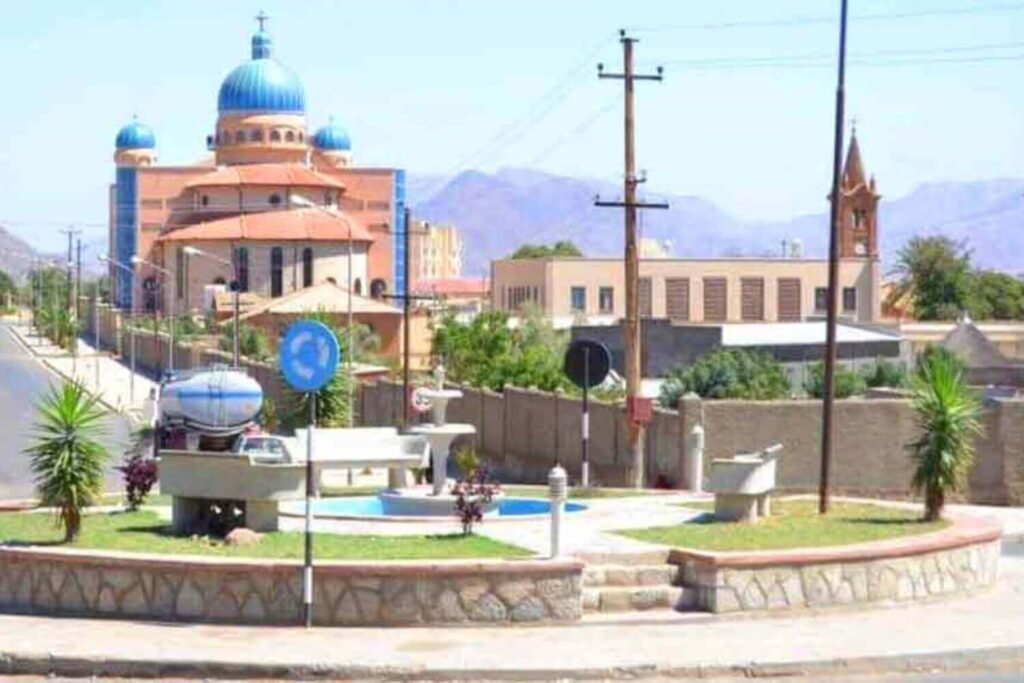
The city’s skyline further reflects its pluralistic heritage, featuring the towering Catholic Cathedral on Harriet Avenue and the grand Assehaba Mosque. The mosque is particularly notable for its architecture, which draws inspiration from Turkish, Italian, and Arabian styles, while the cathedral stands out with its unique color palette and height. For those interested in deeper history, the nearby 4th-century Debre Sina monastery offers a connection to the roots of the Eritrean Orthodox Church, marking the site of the first Holy Communion in the nation’s history.