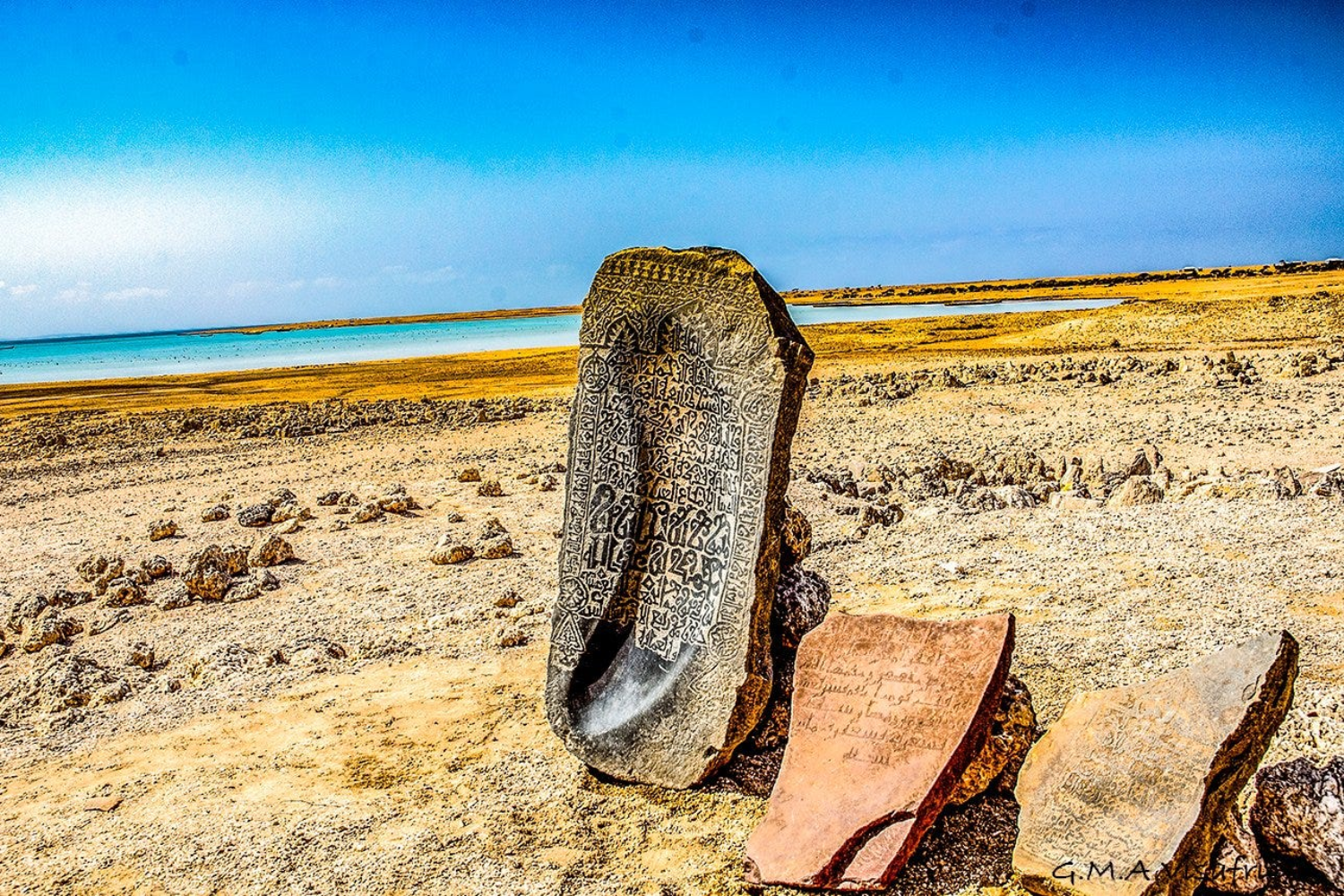
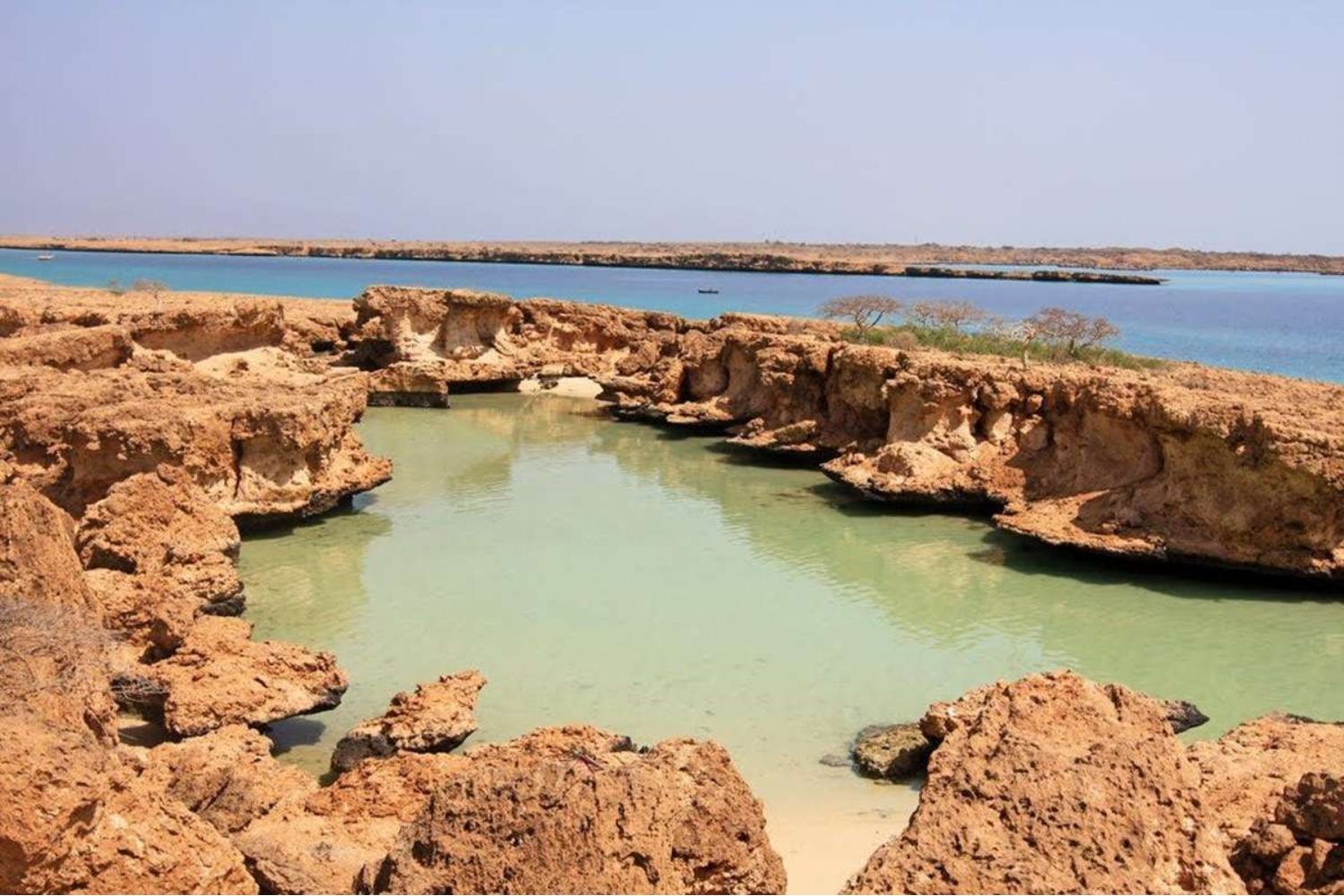
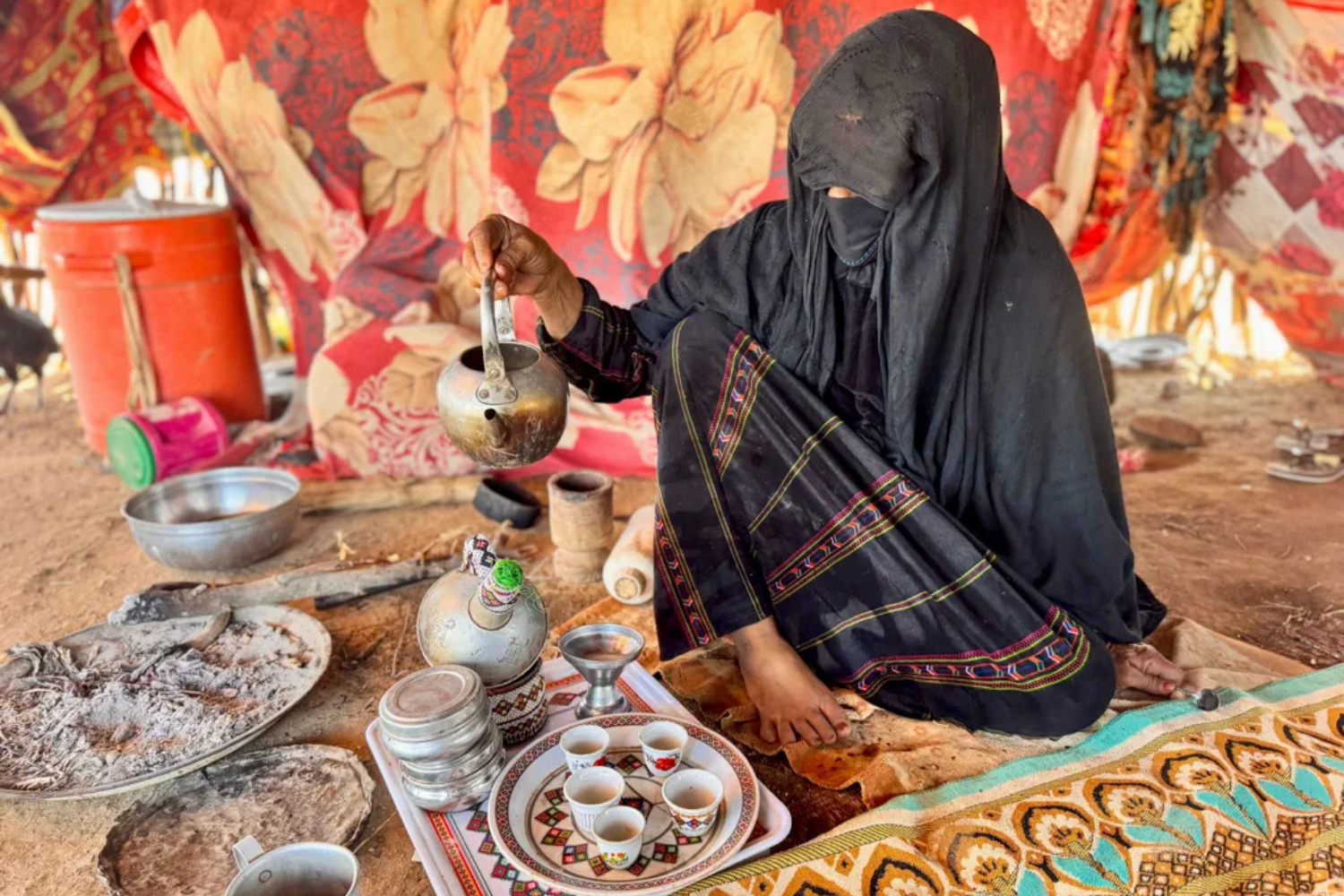
Eritrea is a stunning destination, but entering requires a clear understanding of the visa landscape. Most visitors will choose between a tourist visa, typically valid for up to 30 days, or a business visa, which can extend up to 90 days for those attending meetings or conferences. While these are the standard categories, it is vital to remember that specific requirements often shift based on a traveler’s nationality and the current regulations of the local embassy. Regardless of the type selected, the visa acts as a formal entry permit that must be secured to ensure a smooth journey. While the duration of the visa defines how long it remains valid for entry, the actual permitted stay within the country may be shorter than the total validity period. Therefore, travelers should carefully review their issued documents to ensure their itinerary aligns with the legal stay period granted by the Eritrean authorities.
Core Documentation Requirements
The foundation of a successful application lies in gathering the correct paperwork, starting with a passport that has at least six months of validity remaining from the date of entry. Applicants must also provide recent passport-sized photos, usually against a white background, and a meticulously completed application form obtained from an embassy. Any discrepancies in these basic documents can lead to significant delays, so precision is key during the initial preparation stage.
Beyond identification, travelers must prove they have the logistical and financial means for their journey. This includes providing flight itineraries, hotel reservations, and evidence of sufficient funds through bank statements or proof of employment. For those traveling on business, an official invitation letter from an Eritrean organization is mandatory, detailing the specific purpose and duration of the professional visit to satisfy immigration officials.
Submission and Processing Procedures
Once the dossier is complete, it must be submitted to the nearest Eritrean embassy or consulate for a formal review. During this phase, officials will verify the information provided, and in some cases, applicants may be asked to attend an interview or provide additional clarifying details. Because each consulate operates with slight variations, checking their official website for specific submission methods—whether in person or via mail—is a crucial step before sending off any documents.
Financial requirements include a visa fee, which varies significantly depending on the visa type and the applicant’s country of origin. It is highly recommended to apply well in advance of the departure date, as processing times are not always predictable and can fluctuate based on administrative volume. For added convenience, some professional agencies can assist with the process by facilitating pre-approvals or helping travelers secure visas upon arrival at the airport.
Strategies for a Smooth Experience
To avoid last-minute stress, the best strategy is to begin the application process as early as possible. Accuracy cannot be overstated; taking the time to fill out forms legibly and ensuring all supporting documents, such as travel insurance and proof of accommodation, are included will prevent most common setbacks. Tracking the application through provided reference numbers allows travelers to stay informed and follow up with the embassy if the timeline exceeds expectations.
Patience is an essential virtue when dealing with international travel permits, as timeframes can vary depending on local holidays or specific consulate procedures. Once the visa is finally received, travelers should double-check all printed details for errors before finalizing non-refundable travel arrangements. Understanding the specific conditions or restrictions attached to the visa ensures a hassle-free entry, allowing the focus to remain on the rich culture and history awaiting in Eritrea.