

Dahlak Travel & Tours


Discover a destination where modernist architecture meets ancient Red Sea history. Eritrea offers a unique blend of breathtaking landscapes, from the Art Deco streets of Asmara—a UNESCO World Heritage site—to the pristine, untouched waters of the Dahlak Archipelago. At Dahlak Tours, we don't just organize trips; we curate immersive journeys that treat every visitor as an honored guest in our beautiful nation.

 Dahlak Tours

This isn’t a beach holiday and it’s not a casual city break. You’re covering serious ground across five days including Massawa on the Red Sea coast, the ancient port ruins at Adulis, the Art Deco town of Dekemhare, the archaeological site at Quhaito, and a full day in Asmara. There’s a fair amount of driving , the sites outside Asmara are not polished tourist attractions with audio guides and gift shops. The accommodation varies from functional to genuinely comfortable depending on where you are.
The archaeology at Adulis and Quhaito is significant in a way that most of the world hasn’t caught up to yet. The architecture in Asmara genuinely has to be seen to be understood. An English-speaking guide is included from the moment you land at Asmara airport through the final evening transfer. That matters more here than it would in a lot of destinations, partly because of the permit requirements for traveling outside Asmara and partly because having someone who can explain what you’re looking at makes an enormous difference at sites like Adulis where the presentation is minimal.
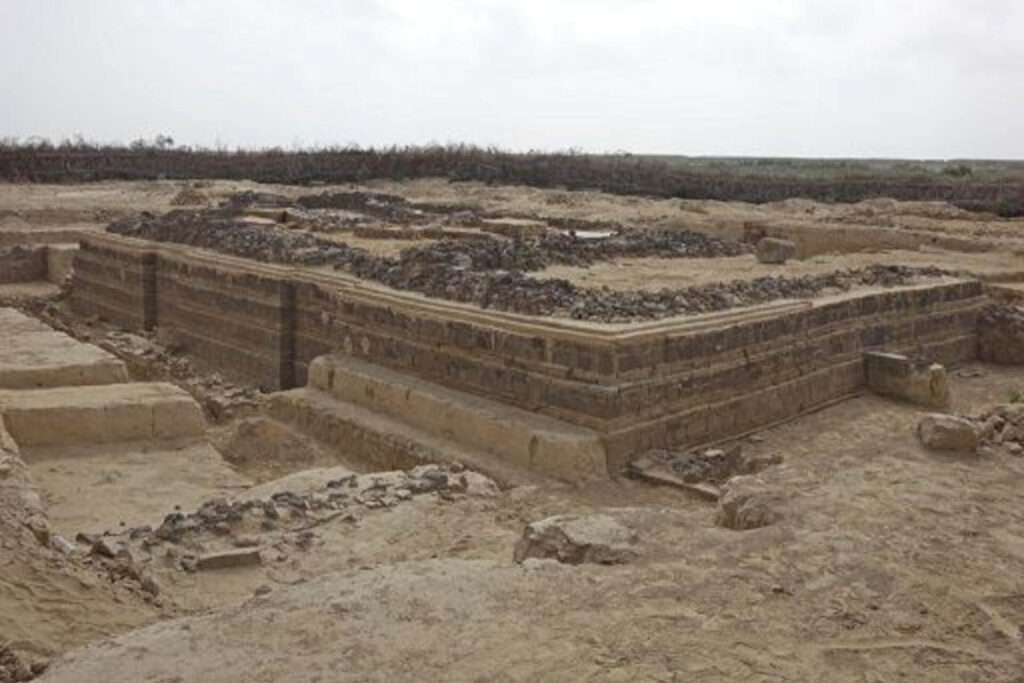
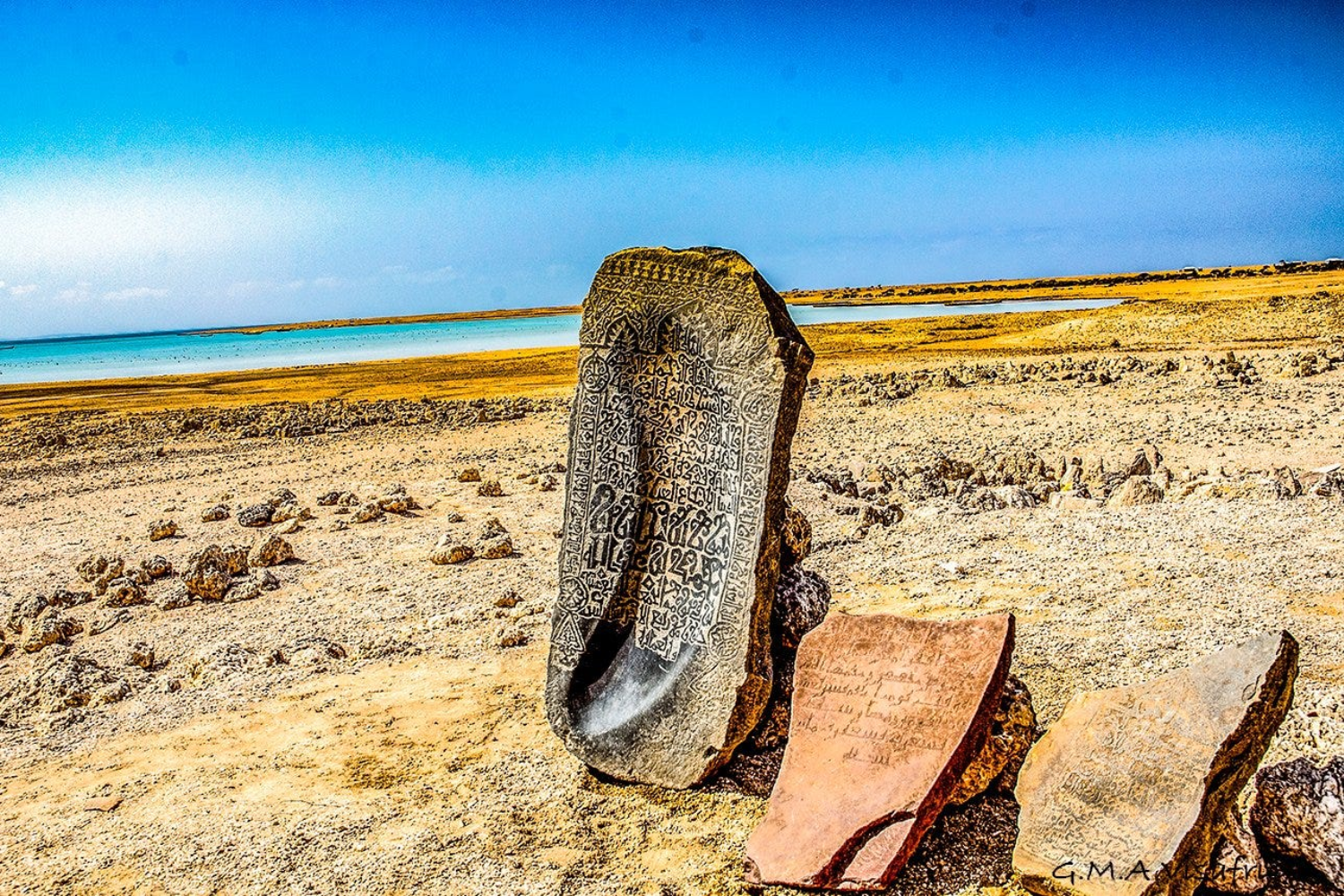
Adulis was one of the most important trading ports in the ancient world. It connected the Eritrean and Ethiopian highlands to the Red Sea and from there to the Middle East, India, and beyond, and by the 7th century BC it was already a functioning city of real size. Most of it is still underground. What’s been excavated is a fraction of what’s known to be there, which is part of what makes it such a strange and affecting place to visit. Nearby Zula was another ancient port operating in the same trade networks, and between the two sites you start to get a sense of how much happened here that history largely forgot to write down.
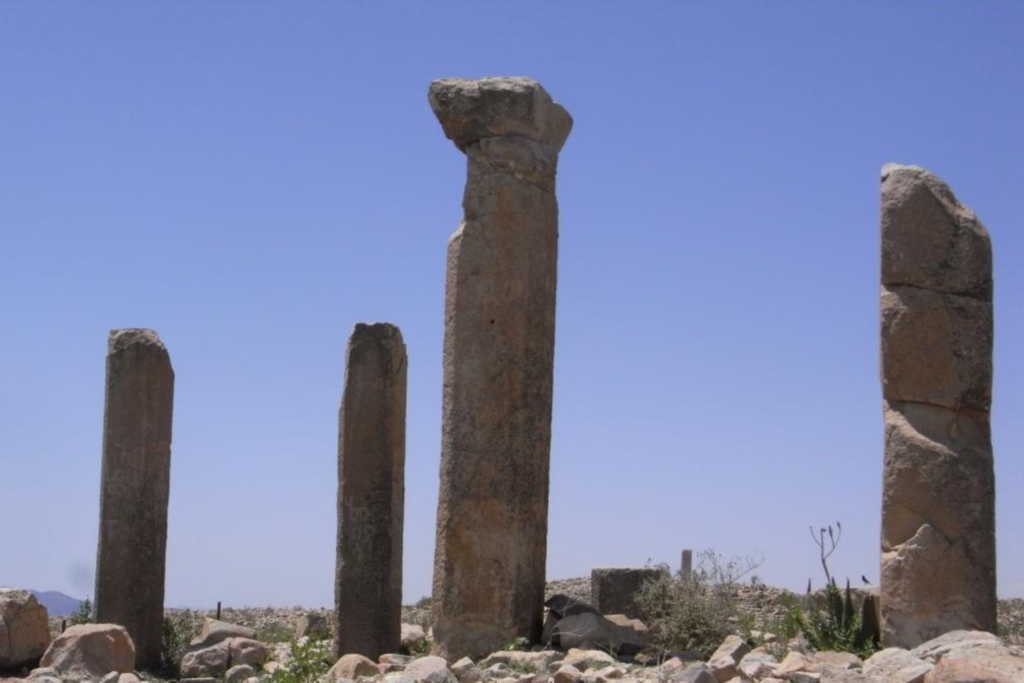
Quhaito is further south, up in the highlands near Senafe. It was a trade center city in its own right, with a dam, standing pillars, palace ruins, rock paintings, and tombs spread across a site that rewards slow movement. The canyon viewpoint is something else entirely. I’ll leave that one for when you get there.
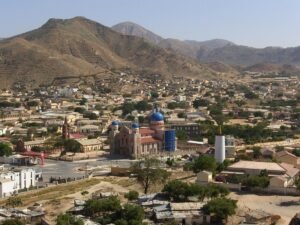
The Italians built modern Asmara between the late 19th and early 20th century during their colonial administration. What they left behind is more than 400 Art Deco buildings now officially recognised by UNESCO. The city sits at 2,400 meters, has a year-round temperature between 18 and 25 degrees, and has a cleanliness and pedestrian culture that surprises almost every visitor. Italians used to call it Piccola Roma, Little Rome.


Most heritage sites of this significance have been developed into proper visitor experiences. Adulis hasn’t. There’s no visitor center, no signage explaining what each section is, no path through the site that tells you where to look first. What there is instead is an excavated section of a buried ancient city, open ground, and the knowledge that the vast majority of what was once here is still under your feet.
That can frustrate people who need things explained and labeled to feel like they’re getting value from a visit.
Going with a guide makes a real difference here. The context of what Adulis was, what it connected, what it traded, and how it fits into the broader history of the region is the thing that turns an expanse of excavated ground into something you’ll think about afterward. Our guides know this site properly, not just the basics.
We stayed at the Dekemhare Park Hotel. Fine. Quiet. There wasn’t much to do in the evening, which after two full days of driving and walking was honestly not a problem.
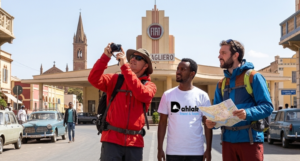
The Fiat Tagliero Building is the one everyone photographs first on the Asmara Architecture Tour . It’s a 1938 petrol station designed to look like an aeroplane, with cantilevered wings extending 30 meters on each side without any supporting columns. The engineer reportedly had to threaten the builder at gunpoint to remove the temporary supports on opening day because the builder was convinced it would collapse. It didn’t. It’s still standing.
That story is a reasonable introduction to Asmara’s architecture generally, which is full of buildings that shouldn’t quite work and do. The Roman Catholic Cathedral, St. Mary’s Orthodox Church, Al Khulafa al Rashedin mosque, the cinema buildings, the old market, the Medeber recycling depot where everything that arrives in Asmara eventually gets taken apart and rebuilt into something else. The city is layered in a way that takes time to read properly.
One morning is not enough. The trip gives you a full day on day five before the evening departure and the guide covers the main landmarks well. If you want to go slower, the standalone Asmara city tour gives it the full time it deserves without the archaeology component.
Day 1 — Arrival and Drive to Massawa
The guide was at the airport before I’d finished being confused by it. We went to the Dahlak Tours office in Asmara to go through the plan, maybe thirty minutes, actually useful rather than a formality. Then the afternoon drive to Massawa via the Nefasit road, stopping for coffee in Ghinda. The descent from the plateau is one of those drives that stays with you. Massawa at night is hotter and slower than Asmara. The Dahlak Hotel is functional. That’s fine. Overnight Dahlak Hotel, Massawa.
Day 2 — Adulis
Left early. 70km south of Massawa on a flat road that gets progressively hotter. Adulis is harder to describe than I expected. Most of it is underground. What’s been excavated is a fraction. Standing there knowing the rest is beneath you is a strange, specific feeling that I haven’t quite found the right word for. We saw Zula nearby before heading back. I stood quietly at Adulis for longer than I usually would anywhere. Overnight Dahlak Hotel, Massawa.
Day 3 — Drive to Dekemhare
Back up from sea level through Gahtelai and Nefasit, turning toward Dekemhare. The climb takes longer than expected because the road winds. Dekemhare has Art Deco buildings most visitors never see and a landscape of large rocks around the town that’s genuinely striking. Quiet evening. That was fine after two days of driving and archaeology. Overnight Dekemhare Park Hotel.
Day 4 — Quhaito, Segheneiti, Asmara
This was the day nobody quite prepared me for. Quhaito has standing pillars, an ancient dam, palace ruins, and rock paintings. The dam is probably the most technically remarkable thing there. Then there’s a canyon viewpoint that appears without warning. Don’t read ahead on that one. Stopped at Segheneiti on the way back. The Crystal Hotel in Asmara felt noticeably comfortable after several nights on the road. Overnight Crystal Hotel, Asmara.
Day 5 — Asmara City Tour and Departure
Full morning covering the Fiat Tagliero Building, the Roman Catholic Cathedral, St. Mary’s Orthodox Church, Al Khulafa al Rashedin mosque, the National Museum, Medeber market, and the main boulevard. Over 400 UNESCO recognised Art Deco buildings in a city at 2,400 meters that has a year-round climate between 18 and 25 degrees and feels, genuinely, like nowhere else. One day is not enough for Asmara. Evening transfer to airport, end of tour.

A travel permit is required for every destination outside Asmara on this trip including Massawa, the Adulis site, Dekemhare, and Quhaito. Dahlak Tours handles permit arrangements as part of the booking so you don’t need to navigate that process yourself, but it’s worth knowing it’s part of the logistics and has its own timeline. Don’t leave it to the last minute.
Cash is essential outside Asmara. Card payment is limited to almost nonexistent once you leave the capital, and the currency is the nakfa. Bring more than you think you need for incidentals, meals outside what’s included, and anything you want to buy at the markets.
The best time to do this trip is October through April. The temperature across the route stays manageable, the highland sites like Quhaito are more comfortable to walk, and the Massawa coast is less brutal in the heat. July and August are possible but the lowland sections get genuinely hot in a way that makes the archaeology harder to enjoy properly.
Modest dress applies throughout, particularly at the religious sites in Asmara on day five. The guide will flag this as needed but it’s worth packing accordingly from the start rather than improvising on the day.
Book the archaeology tour here or get in touch to ask about custom dates and group sizes.
Years of local experience


Dahlak Tours © 2026 All rights reserved. Powered by Debishtech