About Us
Discover a destination where modernist architecture meets ancient Red Sea history. Eritrea offers a unique blend of breathtaking landscapes, from the Art Deco streets of Asmara—a UNESCO World Heritage site—to the pristine, untouched waters of the Dahlak Archipelago. At Dahlak Tours, we don't just organize trips; we curate immersive journeys that treat every visitor as an honored guest in our beautiful nation.
Gallery
Search
DAHLAK TRAVEL & TOURS
The Eritrean Railway: Can You Still Ride It in 2026/27?

-
 Dahlak Tours
- Last Updated: November 17, 2026
- 2:06 pm

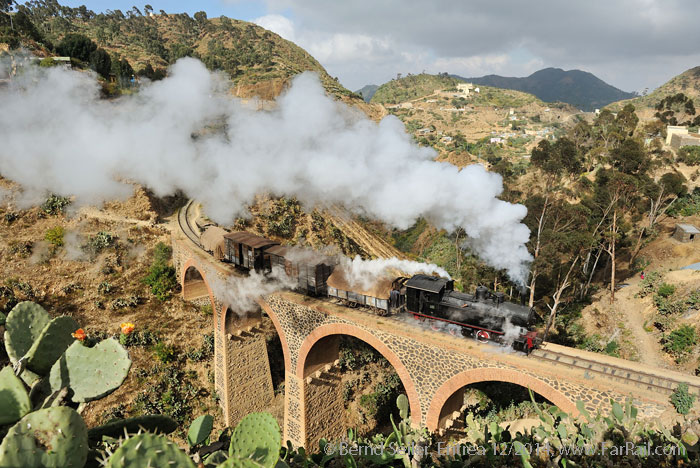
I’ll start with the part most railway articles bury. You can’t currently ride the Eritrean Railway from the Red Sea up to Asmara. The line was built for exactly that journey, and after its restoration in 2003 it did it again. Today only a short stretch out of the capital runs, and even that depends on weather, coal and whether a 1938 locomotive feels like cooperating.Still one of the many different experiences that transport you into the past. Here’s what runs now, how to arrange it and what to expect.
Quick Answer
- What runs now: A short out-and-back from Asmara, to Arbaroba or Nefasit depending on track conditions
- Down to Massawa? No. The lower sections are damaged and not in service
- Time: Roughly 2.5 to 5 hours, depending on stops
- How it’s sold: Charter only. No public timetable, no individual tickets
- Notice needed: About 3 to 7 days, longer around holidays
- Cost: Total cost is 1200 USD which can be shared across the group
- Best months : October to April
- Permit: Anywhere outside Asmara needs one. Dahlak Tours confirms what your route requires
Last reviewed: 6/11/26. Conditions on the line change, so check with us before you plan around it.
What Actually Runs Today
The railway was built to connect Massawa on the Red Sea with Asmara 118 km away, and for a few years after its 2003 restoration it did. That changed when weather damaged the lower sections. An embankment near Nefasit station washed out in December 2023, and the Ghinda stretch below it hasn’t been repaired.
What’s left is a short ride out of the capital. One specialist operator reported in early 2026 that only Asmara to Nefasit was passable. A local operator’s guide from September 2026 says the run goes to Arbaroba and back, about 32 km round trip. The two reports don’t match, which tells you how quickly it changes. When you book, we’ll confirm which section is open for your dates.


How to Book a Ride
The railway doesn’t sell seats. You hire the train, and the cost is split across your group. Current Cost to hire the train is 1200 USD which can be comes to about 80 USD per head for a group of 15 people.
Here’s how it works in practice. Tell us your dates and group size. We check availability with the railway, which needs a few days to prepare a locomotive. We arrange any permit your route needs, since anywhere outside Asmara requires one and we need a full day to issue it. Then you ride.
You’ll also need a visa to enter Eritrea. Our visa and permit page explains how that works.
What the Ride Is Like
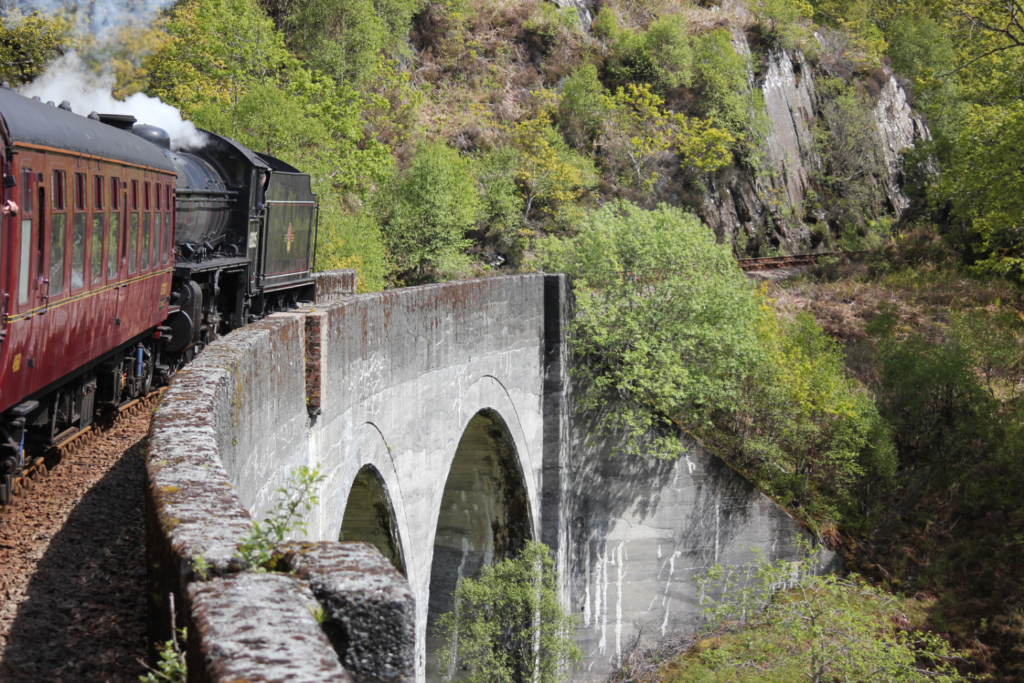
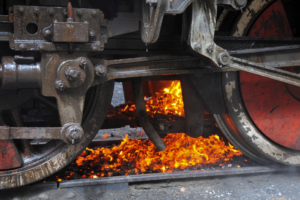
The train leaves from Asmara station on Liberation Avenue. You’ll smell coal smoke before you see the locomotive. The ride is loud and bumpy, and it’s slow, reportedly around 12 miles an hour. The line climbs through tunnels and across viaducts into the hills. Visitors say you can see locals waving from the roadside and children running alongside the train until they can’t keep up, a heartfelt sight indeed.
The round trip to Arbaroba usually takes between two and a half and five hours depending on operator and stops. Some charters include a village stop with a traditional coffee ceremony. Accept it. And if you are lucky your conductor could be nice enough to stop or reverse over a bridge for photographs.
Expect delays. Operators have warned that poor coal and aging locomotives mean several stops to build steam pressure, and that breakdowns and cancellations are possible . Mornings in Asmara can be cool, around 10 to 15°C, so wear layers and clothes you don’t mind getting sooty.
The Catch
You can’t ride it to the sea, and that’s the real limit. The railway was built for the drop to Massawa, and a short out-and-back from Asmara isn’t the same journey.
It also isn’t dependable. Still, if you want to see what 1930s engineering looks like when it’s still doing its job, this is it.
Before You Go
Bring nakfa for anything you want to buy, because card payments are close to non-existent outside Asmara. Dress modestly, carry water, and bring a hat. Your operator will tell you whether the route needs a travel permit and arrange it. Our visa and permit page explains the rules.
The cooler months, October to April, are the most comfortable for the highlands. If you also visit Massawa, you’ll see the line’s original starting point.
If you want a railway ride built into an Eritrea itinerary, get in touch with Dahlak Tours and ask what’s available for your dates.
Location
Asmara Station
Recent Blogs
Frequently Asked Questions
Yes, for tourist charters out of Asmara. It runs on demand rather than to a public timetable.
Not at the moment. The full 118 km line reopened in 2003, but weather has damaged the lower sections and they aren’t in service.
Roughly two and a half to five hours for the round trip, depending on the stops.
The train is chartered, so the price is shared across the group. Ask us for a current quote.
Yes. The railway needs a few days to prepare a locomotive. Book at least a week ahead, and longer around holidays. Dahlak Tours can handle this for you.
Most likely a 1938 Ansaldo Mallet steam engine. The 1930s Littorina railcars exist, but operators say they’re too unreliable to schedule.
Anywhere outside Asmara does. Dahlak Tours arrange permits for tour guests and confirm what your route needs.
Slowly, reportedly around 12 miles an hour. The ride is loud and bumpy.
From Asmara station on Liberation Avenue.
It is a short out-and-back from Asmara, to Arbaroba or Nefasit depending on track conditions. The Arbaroba run is about 32 km round trip.
October to April.
October to April.

22
Years of local experience


Licensed by the State of Eritrea, Ministry of Trade and Industry. Licence ASL00031590. Registration ASC00023767.
Dahlak Tours © 2026 All rights reserved. Powered by Debishtech